How Concrete Walls Improve Structural Stability and Drainage
Experts in concrete wall construction can help improve your property's structural stability and drainage by building durable, effective walls tailored to your needs.
If property owners in the area are exploring ways to enhance the stability and longevity of their structures, understanding how concrete walls improve structural stability and drainage can be a valuable step. Concrete walls are known for their strength and durability, making them an effective choice for supporting foundations, retaining soil, and creating reliable barriers. Properly constructed concrete walls can help prevent shifting or settling over time, ensuring that properties remain secure and resilient against various environmental factors. For those considering upgrades or new construction, local contractors specializing in concrete wall construction can offer practical solutions tailored to specific property needs.
Drainage is another critical aspect of maintaining a healthy and stable property, especially in areas prone to water accumulation or erosion. Concrete walls can be designed to facilitate proper water flow and reduce moisture-related issues, protecting the foundation and surrounding landscape. Well-designed concrete barriers can direct water away from vulnerable areas, minimizing the risk of flooding or soil erosion. Property owners interested in these benefits can find experienced service providers in the area who can assess their site and recommend concrete wall solutions that improve both drainage and overall structural integrity. Keep reading to learn more about how these walls can support long-term property stability.
- Concrete wall construction services are often needed for retaining walls that enhance the stability of slopes and prevent erosion, with local contractors ensuring proper reinforcement and drainage solutions. When designing foundations that require added strength and support, local pros focus on building concrete walls that improve overall structural stability. Drainage improvement projects frequently involve installing concrete walls to direct water flow and prevent pooling, with service providers prioritizing effective drainage pathways. For properties prone to flooding or water damage, local contractors can construct concrete walls that improve drainage and protect the foundation from water intrusion. In areas with shifting soil or unstable ground, concrete wall construction helps stabilize the landscape and reduce the risk of structural failure, with experienced service providers tailoring solutions to specific site conditions.
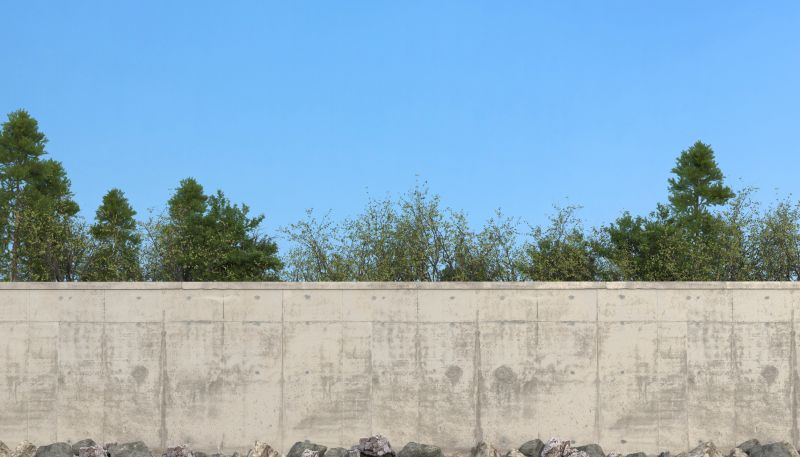
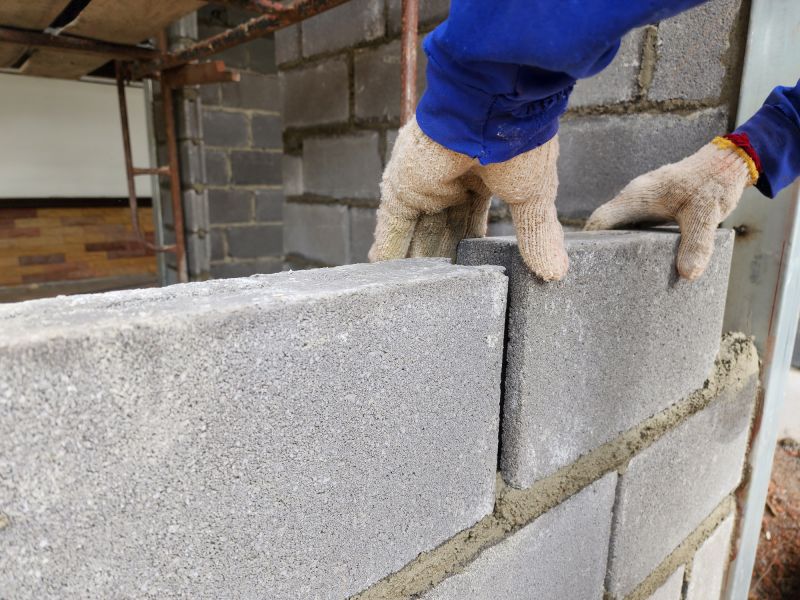
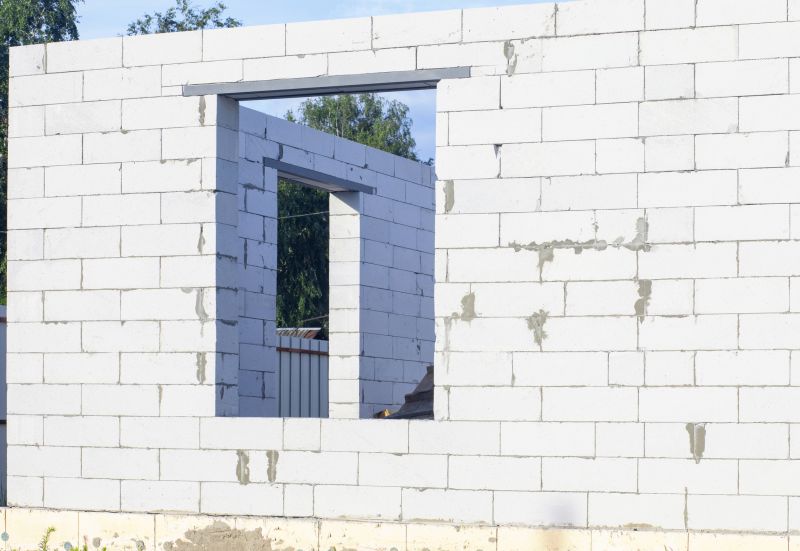
When people search for how concrete walls improve structural stability and drainage, they are often exploring solutions to strengthen foundations, prevent soil movement, or manage water flow around their properties. These inquiries typically relate to property improvements such as basement walls, retaining walls, or perimeter barriers designed to withstand environmental pressures. Homeowners might be planning new construction, remodeling existing structures, or addressing issues like shifting soil or water pooling. Understanding the role of concrete walls in these contexts helps clarify how they can contribute to a property's long-term durability and safety, especially in areas prone to heavy rainfall or soil erosion.
Concrete walls are valued for their ability to provide sturdy support that resists shifting and settling over time. They serve as reliable barriers that hold back soil, preventing landslides or collapses that could compromise a building’s foundation. Additionally, their mass and durability help distribute loads evenly, reducing the risk of structural failure. When it comes to drainage, concrete walls can be designed with built-in features such as weep holes or drainage channels. These elements allow water to flow away from the property, reducing hydrostatic pressure against the wall and minimizing the risk of water infiltration or damage. This combination of stability and drainage management makes concrete walls an essential component in many property development or repair plans.
The types of properties that often feature concrete walls include residential homes with basements or yards, commercial buildings requiring robust foundations, and landscaping projects involving retaining walls. In residential settings, concrete basement walls and retaining structures are common for improving stability and preventing water issues. Commercial properties may rely on concrete barriers for load-bearing support and water control around parking lots or industrial sites. Landscaping projects frequently incorporate concrete retaining walls to manage uneven terrain or create level areas for gardens and outdoor living spaces. Service providers experienced in concrete wall construction can tailor solutions to fit the specific needs of each property, ensuring that the walls effectively enhance stability and drainage.
For homeowners considering concrete walls, understanding how these structures improve stability and drainage can influence planning and decision-making. Local contractors who specialize in concrete wall construction bring practical expertise to the project, ensuring that walls are designed and built to meet the property’s unique requirements. Whether addressing soil shifting, water management, or structural support, these service providers can help determine the best type of wall and features to incorporate. Their experience ensures that the finished project not only strengthens the property but also helps prevent future issues related to water damage or ground movement. Connecting with skilled local pros provides clarity and confidence in achieving durable, effective concrete wall solutions tailored to individual property needs.
Retaining wall projects - local contractors specializing in retaining walls use concrete to improve soil stability and manage drainage effectively for landscaping and erosion control.
Foundation repair services - experts in foundation stabilization often utilize concrete wall solutions to enhance structural support and prevent water infiltration issues.
Basement waterproofing - local service providers employ concrete walls to create durable barriers that improve drainage and prevent moisture problems in underground spaces.
Commercial building construction - contractors building commercial structures incorporate concrete walls to ensure long-lasting stability and efficient water management systems.
Landscape retaining wall installation - professionals design and build concrete retaining walls that enhance landscape stability while facilitating proper drainage flow.
Erosion control projects - local contractors use concrete barriers to prevent soil erosion and improve water runoff management in various outdoor environments.
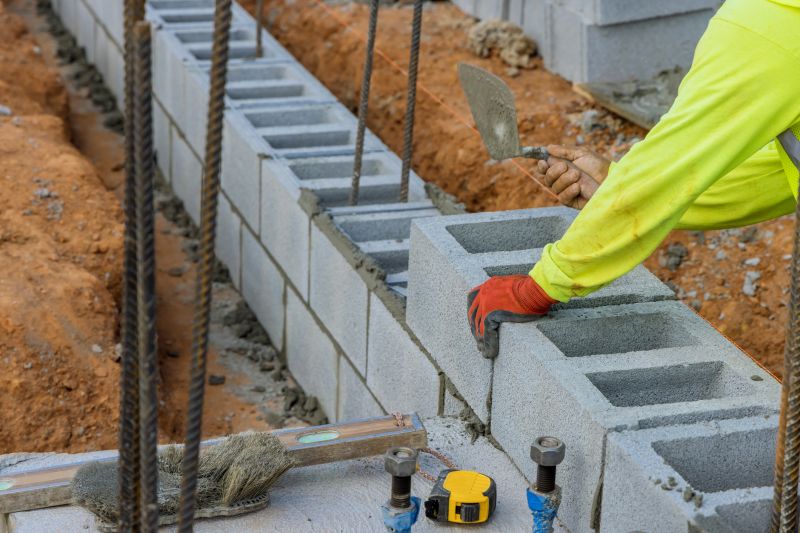
When evaluating concrete wall construction services, it’s important to consider the experience of local contractors with projects similar to yours. Homeowners should inquire about the types of structures the service providers have worked on and whether they have a track record of successfully installing concrete walls that enhance structural stability and drainage. An experienced contractor will be familiar with the specific requirements of different soil types and environmental conditions, ensuring that the walls are designed and built to perform effectively over time. This knowledge can help prevent common issues such as cracking or drainage problems, providing greater confidence in the durability and functionality of the finished project.
Clear, written expectations are essential when comparing local contractors for concrete wall services. Homeowners should seek detailed proposals that outline the scope of work, materials to be used, and the methods involved in construction. Having this information in writing helps ensure that both parties share a common understanding of the project’s goals and how the work will address concerns related to structural stability and drainage. Well-defined expectations also make it easier to evaluate bids objectively and avoid misunderstandings or surprises during the process, leading to a smoother experience and a final result that aligns with the homeowner’s needs.
Reputable references and good communication are key factors in selecting a dependable service provider. Homeowners should ask potential contractors for examples of past projects and contact references to gather insights into their work quality and professionalism. Additionally, clear and open communication during the initial stages can indicate how well the contractor listens and responds to questions or concerns. Effective communication ensures that homeowners stay informed about project progress and can address any issues promptly, which is especially important when installing concrete walls that play a critical role in improving structural stability and drainage. Choosing a contractor with a solid reputation and transparent communication can contribute to a successful and satisfying project outcome.
Property owners often search for how concrete walls improve structural stability and drainage when they are planning practical projects around their homes and businesses. Local pros provide Concrete Wall Construction services for everyday jobs and straightforward project options.
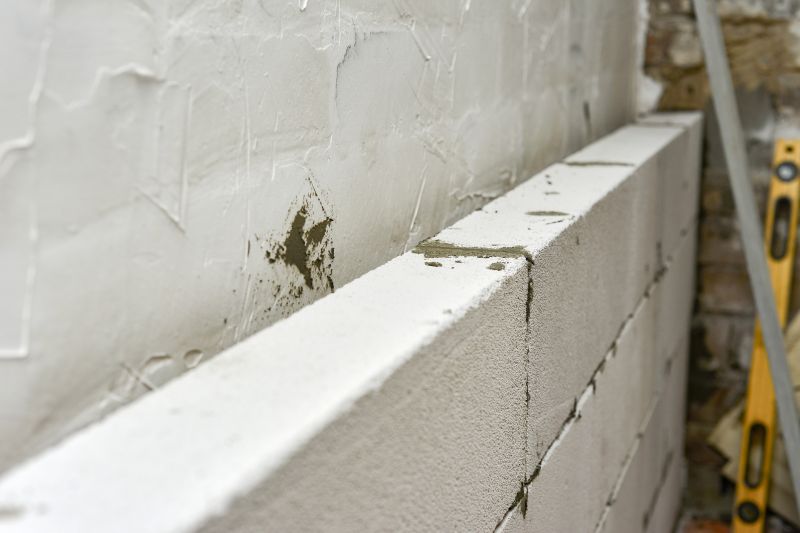
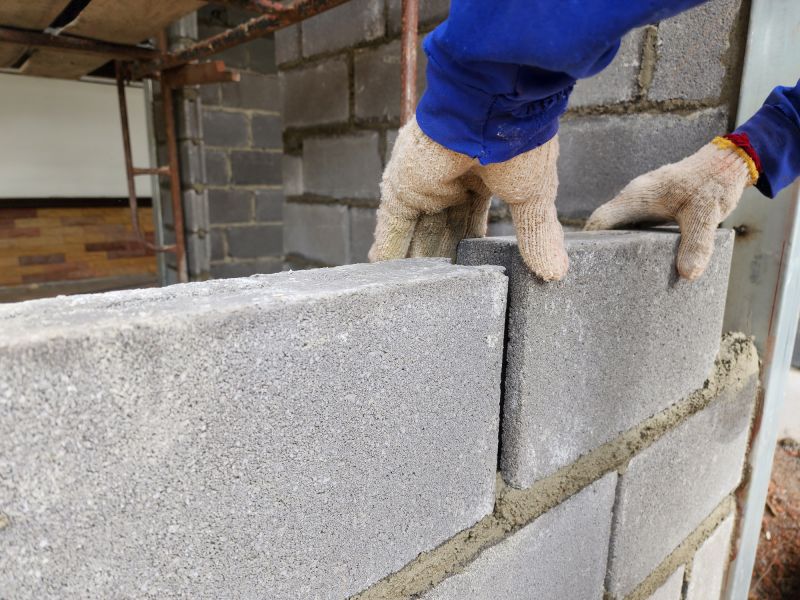
Concrete walls are a practical solution for property owners looking to enhance the stability of their structures, especially in areas prone to shifting soil or uneven terrain. By providing a solid, durable barrier, these walls help prevent foundation movement and can support the overall integrity of residential or commercial properties. Additionally, concrete walls are effective at managing water runoff and preventing erosion, making them a reliable choice for improving drainage around a property. Local contractors experienced in concrete wall construction can assess specific site conditions and recommend solutions that strengthen the property's foundation while ensuring proper water flow.
For property owners considering long-term stability and drainage improvements, working with local service providers can make a significant difference. These professionals have the expertise to design and build concrete walls that address unique site challenges, whether it’s reinforcing a landscape or creating a retaining wall. Properly constructed concrete walls not only enhance the safety and durability of a property but also help manage moisture levels and prevent water damage. Connecting with local contractors ensures that the work aligns with local soil conditions and drainage needs, providing peace of mind that the project will be handled efficiently and effectively.
How do concrete walls enhance the structural stability of a property? Concrete walls provide strong, durable support that can resist shifting and settling, helping to prevent structural issues over time. Local contractors can design and build concrete walls that reinforce foundations and load-bearing structures effectively.
In what ways do concrete walls improve drainage around a property? Concrete walls can be constructed with proper drainage features, such as weep holes or sloped surfaces, to direct water away from foundations and prevent water accumulation. Skilled service providers can incorporate these elements into the wall design for optimal drainage.
Can concrete walls help prevent soil erosion and water damage? Yes, concrete walls act as barriers that hold back soil and control water flow, reducing the risk of erosion and water-related damage to structures. Local pros can install these walls to provide long-term stability and protection.
What types of concrete wall construction are suitable for improving stability and drainage? Various types, including poured concrete, concrete blocks, and retaining walls, can be tailored to specific site needs to enhance stability and facilitate drainage. Experienced contractors can recommend the best options based on the project requirements.
How do local contractors ensure concrete walls effectively improve stability and drainage? They assess site conditions, design appropriate wall systems, and incorporate features like drainage channels or weep holes to maximize the benefits of concrete walls for stability and water management. This ensures the walls perform as intended over time.
Foundation Reinforcement - Incorporating concrete walls can strengthen building foundations, helping property owners improve overall stability for structures like garages or basements.
Drainage Channel Installation - Local contractors can help design and install concrete walls that include drainage channels to prevent water pooling around property perimeters.
Retaining Wall Projects - Using concrete walls as retaining structures can control soil movement and prevent erosion on sloped land or garden areas.
Perimeter Barrier Construction - Building durable concrete walls around a property can enhance stability and direct water flow away from critical areas, reducing flood risks.
If you are thinking about how concrete walls improve structural stability and drainage for a property, this guide is meant to help you understand this topic, the typical project types, and how different options might fit your plans.
When you are ready, you can use the quote form on this page to share a few details about your project. From there, local pros can review the basics and follow up with options that match what you have in mind.